
“I had sex today. Holy shit.” Opening lines of The Diary of a Teenage Girl. Teen movies are usually like cinema popcorn: buttery and stale. Meanwhile, young adult novels rarely ring true. Their voice is too often that of a starving thirtysomething author. Mean Girls and The Catcher in the Rye are few and far between. Which makes this Sundance indie all the more remarkable.

“I just want to be touched. I don’t know what’s wrong with me.” Minnie Goetz feels real. She constantly reminds you what it feels like to be a 15 years old: insecure and alienated. Longing to be cherished. Like Inside Out’s Riley, she has the maturity of a child trying to come to complexity of an adult’s emotions. Based on Phoebe Gloeckner’s semi-autobiographical graphic novel, Minnie lives with her divorced mother in 1970s San Francisco. She loses her virginity not to some prep-school classmate – but to her mother’s 35-year-old lover.

This premise understandably turned every Hollywood studio and financier. And its 18-rated nudity, language and illicit drug use ruled out any teenage audience. First-time director Marielle Heller had her work cut out. She adapted and starred in a play version in 2010. She begged for the film rights. Over several years, and cobbled together a shoestring budget from various grants and corporate donations.

In lesser hands, Diary would have run out of steam within half an hour. But a balance of heart-wrenching angst and irreverent humour kept me enthralled. The leading trio are its biggest draw. Kristen Wiig (Bridesmaids) adds depth to Minnie’s ne’er-do-well mother. A product of the Sexual Revolution, she is “liberated” and thoroughly unrestrained. But her feckless lifestyle has its side effects – two teenage daughters, conceived by two former partners. Yet despite her flaws and irresponsibility, we empathise with her. She makes the best of a bad situation. Even if her situation is (largely) of her own making.
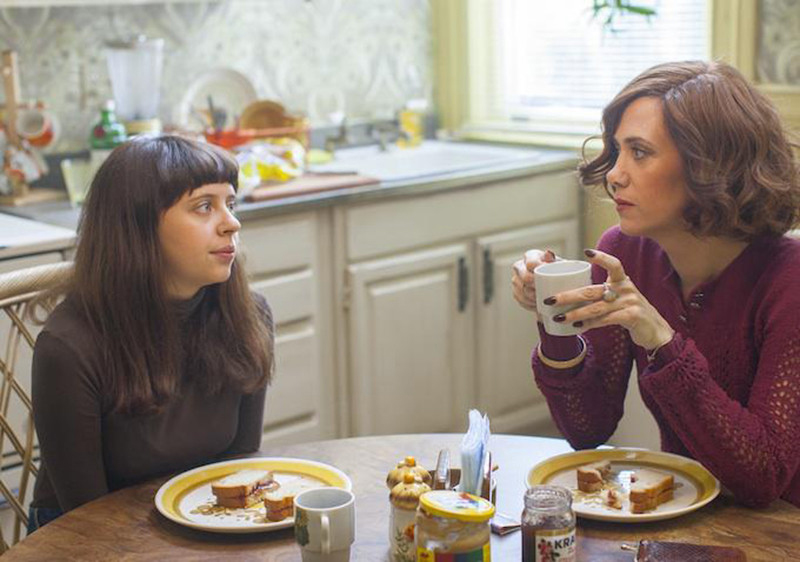 Her current squeeze, Monroe, is altogether less admirable. Deliberately or not, he initiates the “relationship”. He’s old enough to be her father! At best he’s a statutory rapist. At worst he’s a child molester. Monroe realises that his actions are opportunistic, exploitative and wrong. But his moral conviction fails to overthrow his carnal appetite. Now you surely believe him to be a repugnant character. Yet in the hands of Alexander Skarsgard, he is relatable, even pitiable. Skarsgard is best known as True Blood’s amoral, charismatic vampire. Here, a filthy moustache and a bad taste in beer make him thoroughly… human. Monroe is just another man with pipe dreams of retiring on a yacht within a decade. Right now – he’s in too deep.
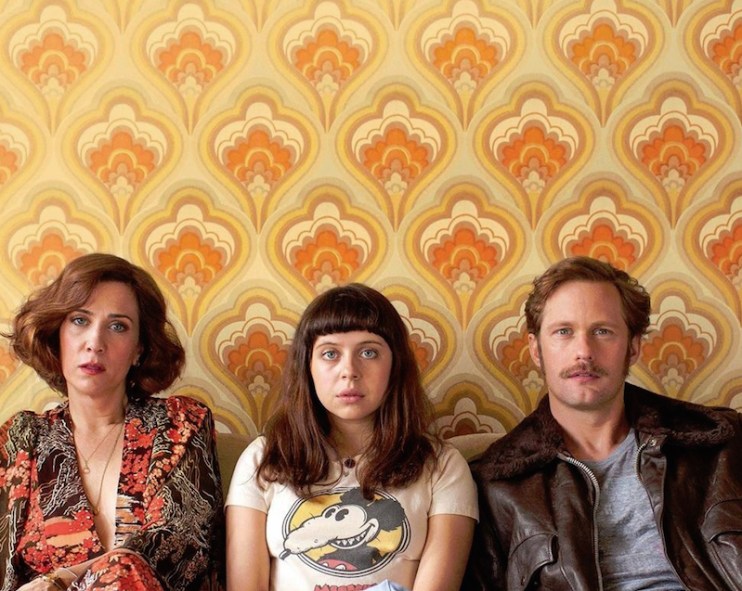
Which brings us to Minnie herself. Hollywood has a habit of casting adults as pimply freshmen, from Steve McQueen, aged 30 in The Blob (1958), to Andrew Garfield, 27 in The Amazing Spider-Man (2012). So when I began this review, I wanted to commend Heller on casting an actual teenager. That is, until I discovered actress Bel Powley was not 15 – but a ripe ol’ 21. Still, I’m sure she is still ID’d every time she orders a mojito. And she completely credible as an adolescent – certain that she is fat and unloveable. “What’s the point in living if nobody loves you, nobody, touches you, nobody sees you?” Her longing glances towards Monroe betray her emotional frailty. Her desire seems doomed by social convention, family matters and Monroe’s own lack of commitment. A necessary guardedness to her mother makes her plight even lonelier. We the audience feel for Minnie. More importantly, we feel fifteen again.


 Corzies
Leave a comment